Spice of Life
The culinary map of the Caribbean is rich in both flavour and history. ISABELLE GRAY tastes the foods of the islands and speaks to chef Zana Millen
Caribbean cooking is far richer than it’s so often perceived in the UK. Jerk chicken, curry goat, and patties, while all fabulous dishes in their own right, have become headliners of an entire cuisine shaped by centuries of trade, migration, colonisation and survival.
Across the Caribbean’s mosaic of over 700 islands and islets, its food interweaves indigenous roots with African, Asian, European and Middle Eastern influences carried through empire and the transatlantic slave trade. Out of adaptation, resilience and cultural exchange has emerged one of the world’s most distinctive culinary identities.
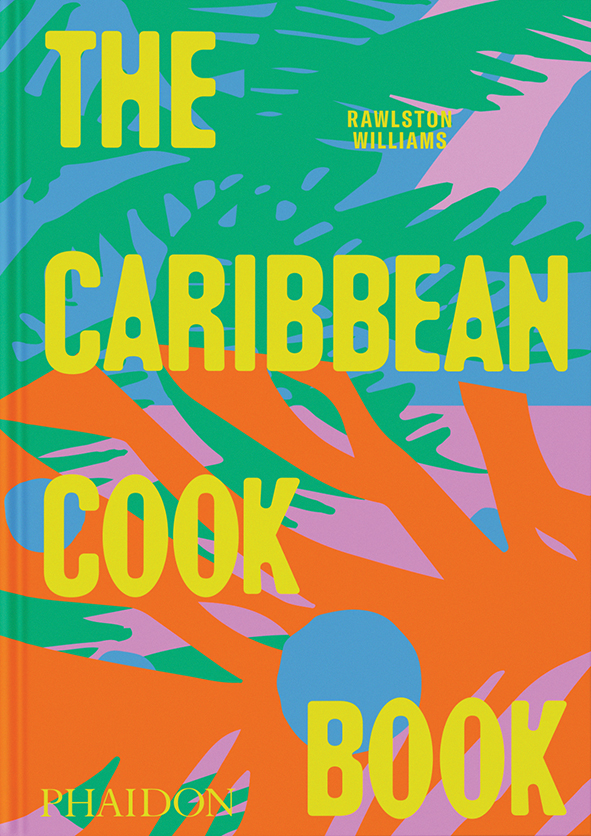
Beyond Caribbean communities themselves, it does feel like the region’s cuisine is beginning to garner recognition and a broader respect. A new cookbook by acclaimed Caribbean chef Rawlston Williams explores 380 recipes from the area and offers an expansive view of Caribbean food outside of its most familiar fare. The Caribbean Cookbook documents what is often overlooked, and features national dishes like Dominica’s callaloo soup, Saint Lucia’s green fig and saltfish salad, and dishes that carry deep meaning such as soup joumou: a once banned dish to enslaved Haitians under French colonial rule that is now a symbol of freedom and national pride.
While the book moves through a rich variety of vegetables and preserves, meats and marinades, soups and seafood, it’s spice that remains the central thread that ties Caribbean cooking together, giving it its unmistakable depth and character. Elsewhere in the wider food scene, the growing interest in Caribbean flavour profiles is evident in combinations like ‘fricy’ (fruity and spicy) flavours emerging as one of 2026’s key food trends. Think fruity heat in Scotch bonnet chillies; pimento, cinnamon and brown sugar in jerk seasoning; and sweet preserves that pair fruits like mango and papaya with ginger and citrus. This appetite for fruity, spicy and complex Caribbean flavours can also be seen on supermarket shelves, with products like the Jamaican tomato ketchup from Grace Foods, long considered a cupboard staple in Caribbean households.
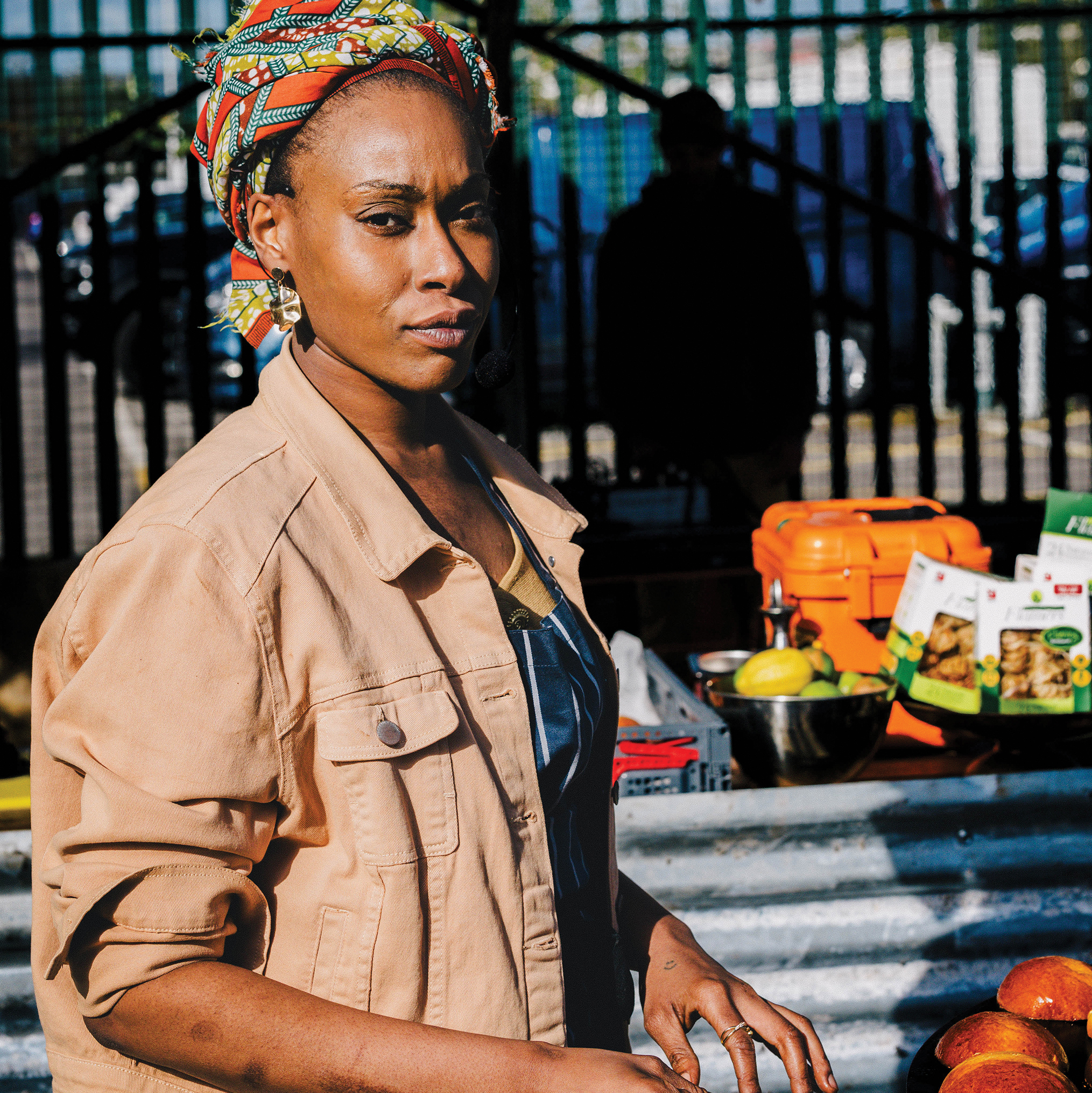
But aside from the trends, some of the most exciting expressions of Caribbean cooking are coming from independent kitchens and pop-ups, where chefs like Zana Millen are exploring the cuisine with creativity, nuance and personal heritage. Millen’s pop-up Passa Passa, named after the famous weekly street party that originated in Kingston, Jamaica, moves through residencies at different venues, adapting Afro-Caribbean flavours and fire-led cooking to suit each space she cooks at.
“I’ve always wanted to create a pop-up where Afro-Caribbean flavours from the diaspora can be demonstrated in a modern way,” says Millen. In April, Millen drew crowds at Smoke Signals festival in Arundel, West Sussex, with a rotisserie jerk porchetta cooked over fire, while recent residences at restaurants like Clara’s Bistro in Shoreditch and Tottenham’s Pasero have allowed her to experiment with Caribbean cooking in a small-plate format.
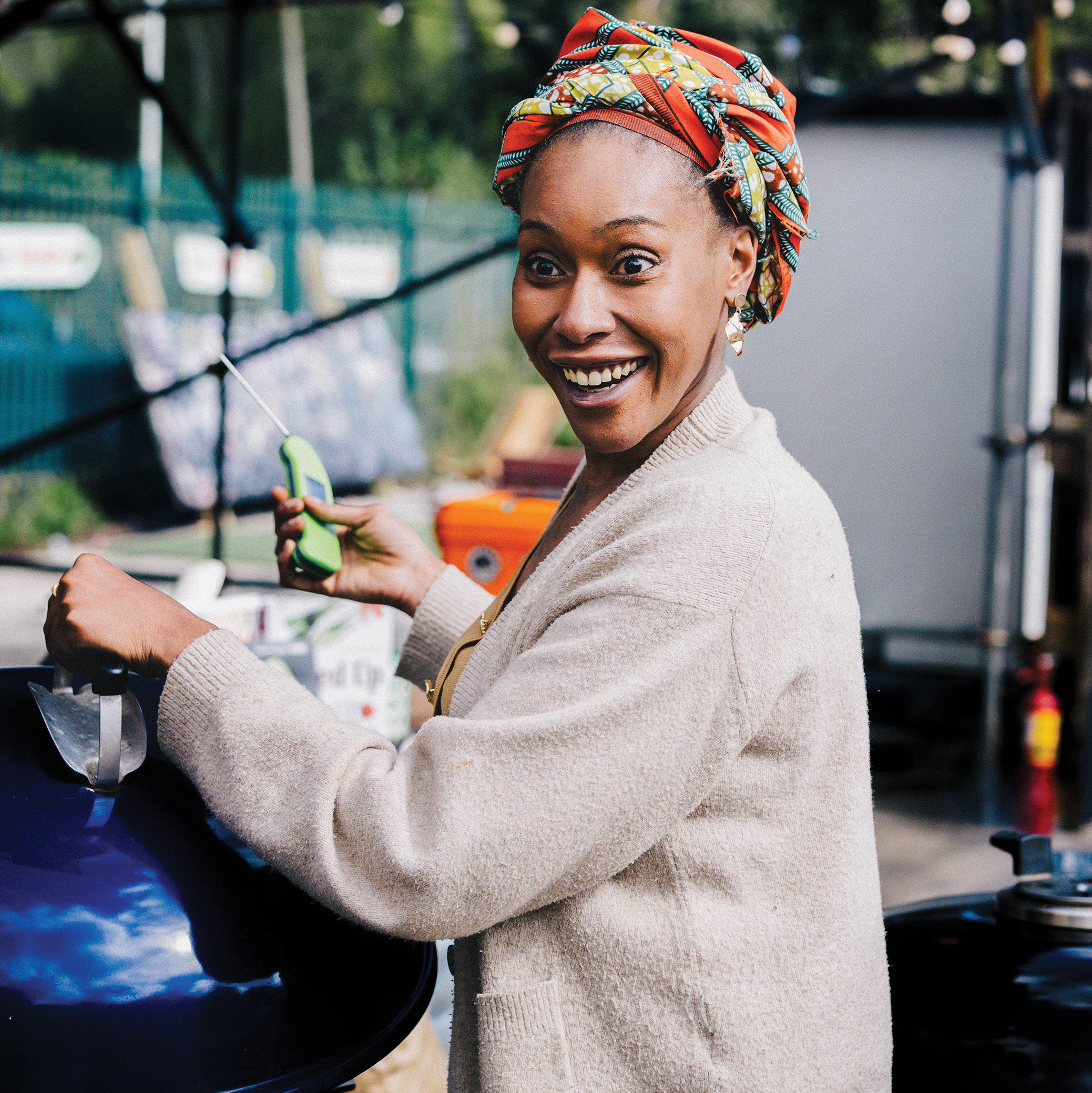
Returning to Pasero after cooking there for the first time three years ago, Millen now sees a clear progression in her food and confidence as a chef. “To be invited back again this year was an absolute pleasure,” she says. “I had a very good reception and I feel like there’s more depth, flavour and growth with my own experiences and food now.”
While Passa Passa’s pub offerings bridge the gap between Afro-Caribbean tastes and traditional pub fare with dishes like jerk pork Scotch eggs and curry goat croquettes, Millen’s recent Pasero pop-up menu leant more heavily into indigenous ingredients. Her standout dish was abacha: a shredded cassava salad originating from Nigeria that Millen put her own spin on, adding shito – a Ghanaian hot pepper sauce made with blended chillies and dried shrimp – and some South-East Asian influences with Thai basil, coriander, fried anchovies and a spicy peanut dressing.
Millen’s Jamaican and Antiguan roots are as much of an influence on her cooking as her lived experience, but she cites her mother as her main inspiration for getting into cooking. “My mum always used to buy the most wonderful, exotic ingredients and gave me lots of gateways into cooking, which was beautiful,” she says. “I have wanted to be a chef since I was 10, and used to write little cookbooks. My mum would always encourage me and would be my pillar and inspiration with everything that I wanted to do.”
When I ask about the regional differences between Antiguan and Jamaican cooking, she explains that although the islands share similar ingredients and dishes, the roots of the food and the culture surrounding them is different due to each country’s colonial history. Much of Jamaican cooking is widely known, but Antiguan dishes retain stronger links to indigenous cooking traditions. Millen notes the differences between the ackee and saltfish of Jamaica, and the way saltfish is prepared in Antigua with more tomato and fruitiness to it. Fungee is another dish she mentions: a savoury cornmeal-based dish that has remained largely unchanged since the colonial era, now a symbol of heritage for Antigua and Barbuda.
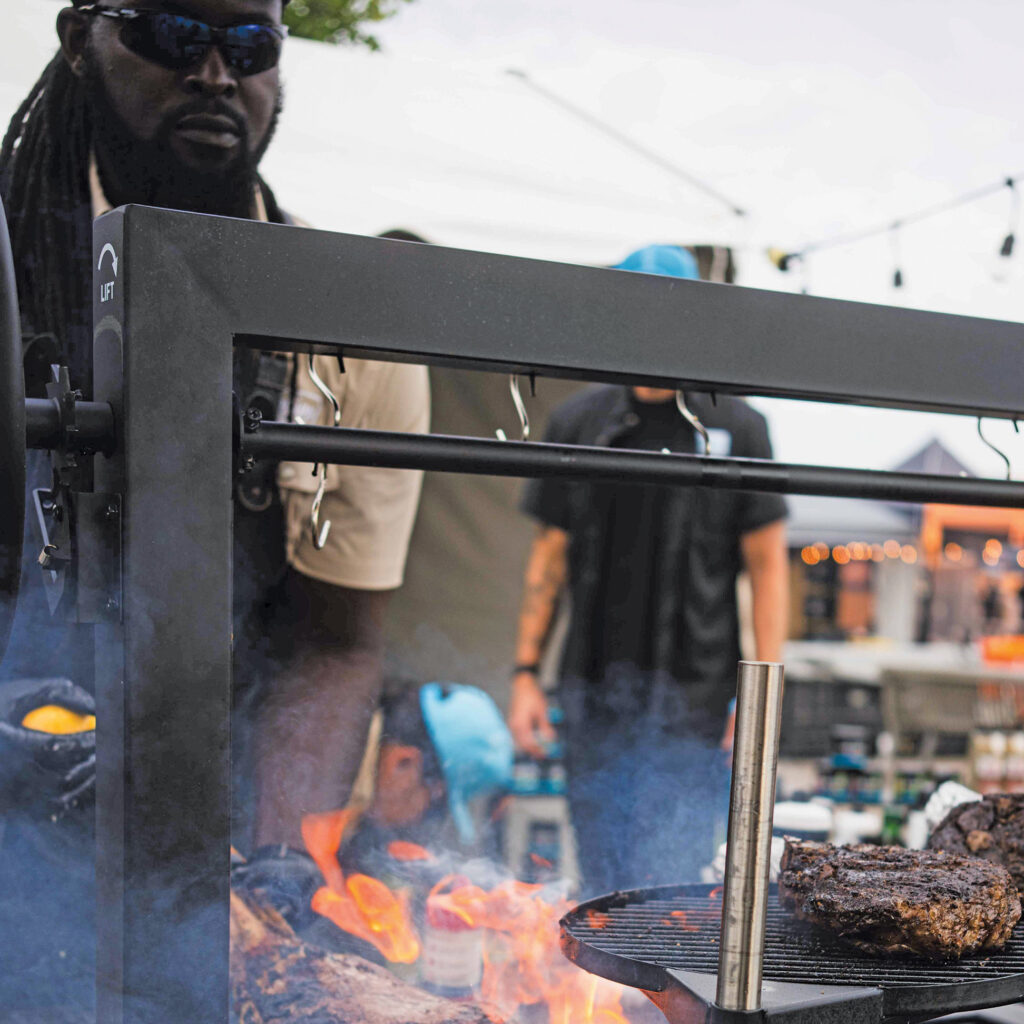
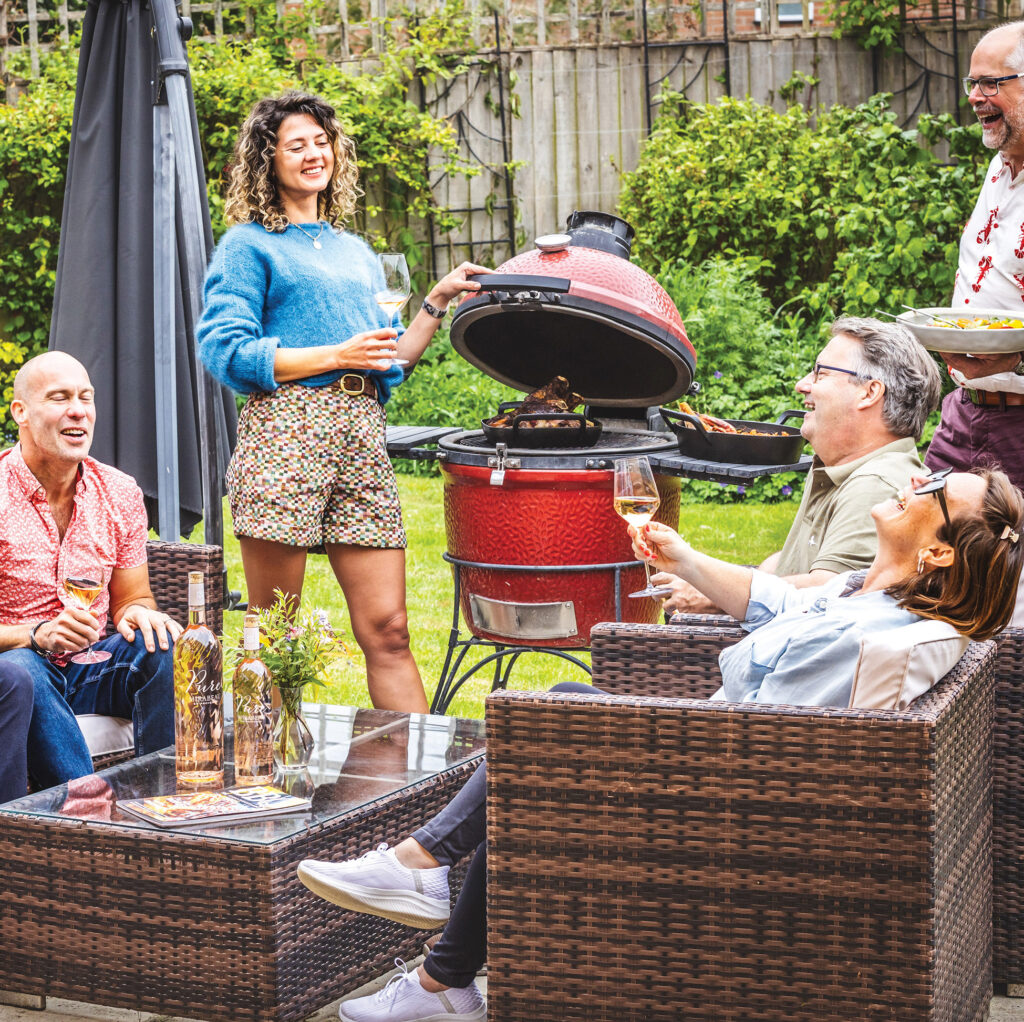
Fire is intrinsic to Millen’s cooking. One of her first jobs as a chef was at London barbecue joint Pitt Cue Co, but her love of fire began long before that. “My family has a barbecue every weekend,” she says. “And in the summer, it’s nearly every day. It’s something that is part of my lifestyle and my culture so I want to embrace it as much as I can in the kitchen.”
A feature shared throughout Caribbean cooking, live fire is central to many dishes. Jerk not only refers to the globally recognised seasoning blend, but also the authentic method of cooking meat low and slow over pimento wood. With Jamaica being the world’s largest producer of pimento trees, which produces the allspice berries so integral to much of its cooking, jerk is both a seasoning and a cooking style deeply connected to Jamaica’s cultural identity.
For Millen, the barbecue is not solely for grilling meat or one component of a dish. “I think people get scared of doing their sides on the grill. But you can literally prepare your whole meal on the barbecue and it adds the ultimate flavours.”
Alongside jerk chicken, she finishes her rice and peas on the grill to absorb the flavours from the smoke and wraps yams and plantain in foil to cook directly on the coals. “It makes all the flavours marry together.”
In September, Millen will be bringing Caribbean flavours to the Meatopia fires at London’s Tobacco Dock, joining a line-up of live fire heavyweights. As Caribbean cooking rightly begins to gain recognition in contemporary food culture, perhaps this summer offers the perfect invitation to explore its flavours and techniques, starting with the barbecue. Beyond the familiar staples lies a cuisine layered with stories, one that’s built for outdoor cooking and deserves to be celebrated.