Monarch of the Grill
We need to eat more venison. ISABELLE GRAY learns about the deer’s dominance of the landscape, its nutritional value and how best to cook the meat over fire
You’re likely reading these words because you are someone who is interested in cooking, or at least eating, barbecue food. And, as someone who is interested in barbecue and all of the wonderful dishes that can be brought to life over fire, it’s also likely you’ll be familiar with barbecue’s biggest hits, the ‘usual suspects’ of meats and techniques that have become synonymous with the culture of cooking with smoke and flame.
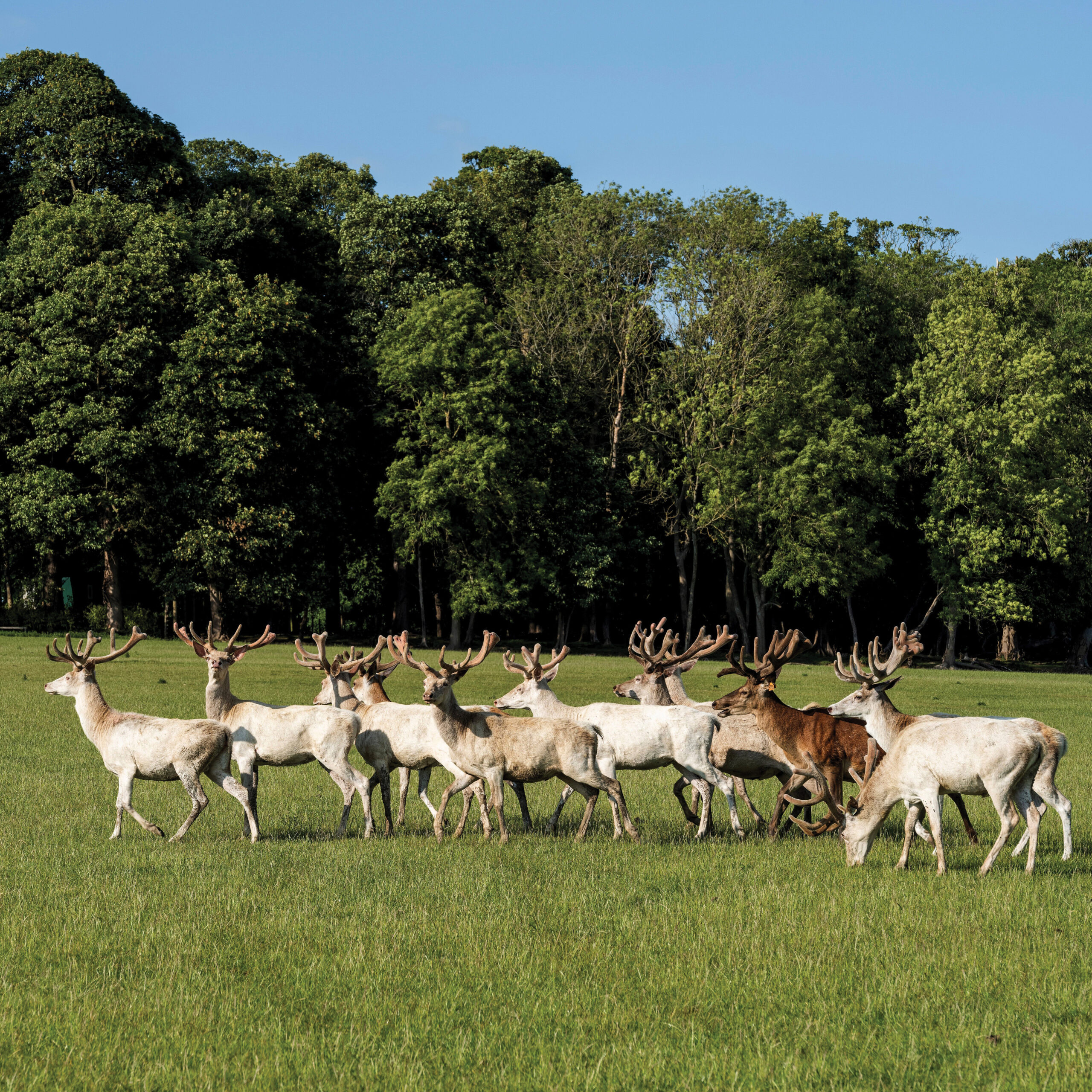
But aside from the burgers and the briskets, the sausages and the steaks, there is a lesser-chosen protein that is abundant and right under our noses here in the UK: venison.
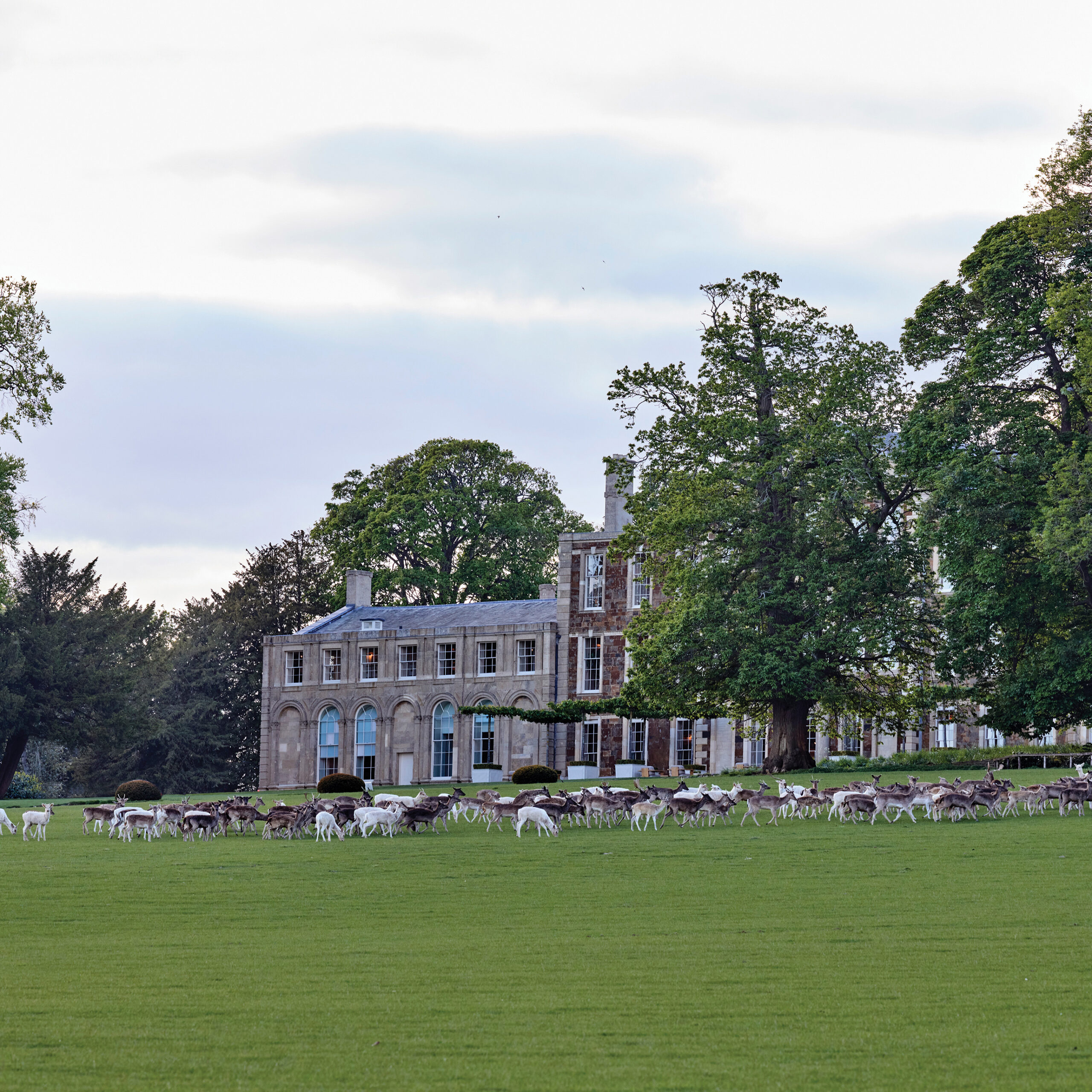
Venison occupies an interesting space in the British food landscape. The UK’s deer population is now at its highest level in centuries; an estimated two million animals according to the Forestry Commission and the Department for Environment,
Food & Rural Affairs. Despite deer numbers swelling across much of the country, venison still carries an air of novelty for many, either tied to the image of country pursuits, or inhabiting a softer cultural space entirely, immortalised through childhood associations with Bambi and woodland innocence.
“Deer are largely responsible for our evolution,” says Nick Weston (above), founder and head chef of immersive wild cooking experience, Hunter Gather Cook in Sussex. “When our ancestors went out hunting deer, they got their protein from the meat, they got their tools from the bones, and they got their clothing from the hides. If we didn’t have that, we would not be where we are today.”
However, with modern meat consumption now largely shaped around farmed beef, pork and chicken, venison has drifted from the centre of our diets. But, as interest in provenance, sustainability, and reconnecting with the primal nature of cooking over fire grows, it looks like venison is making its way back to the table.
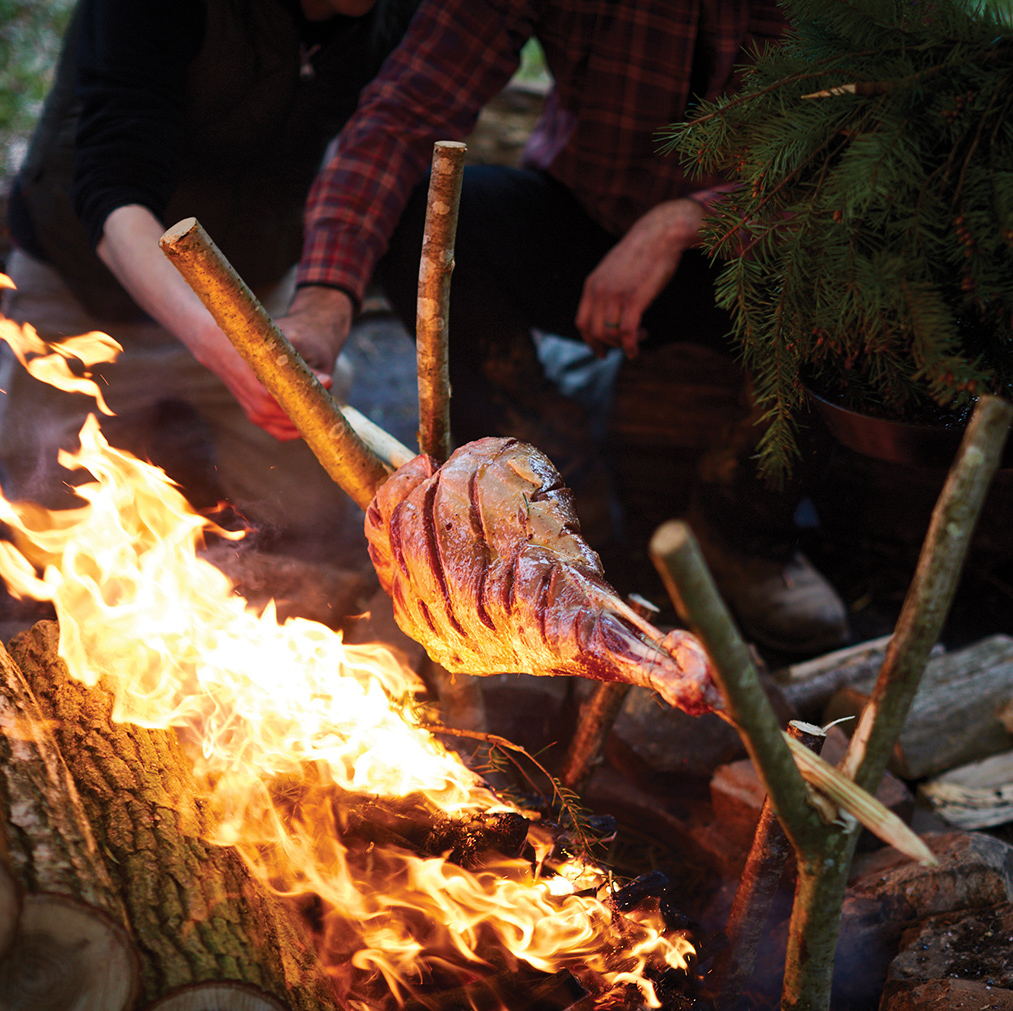
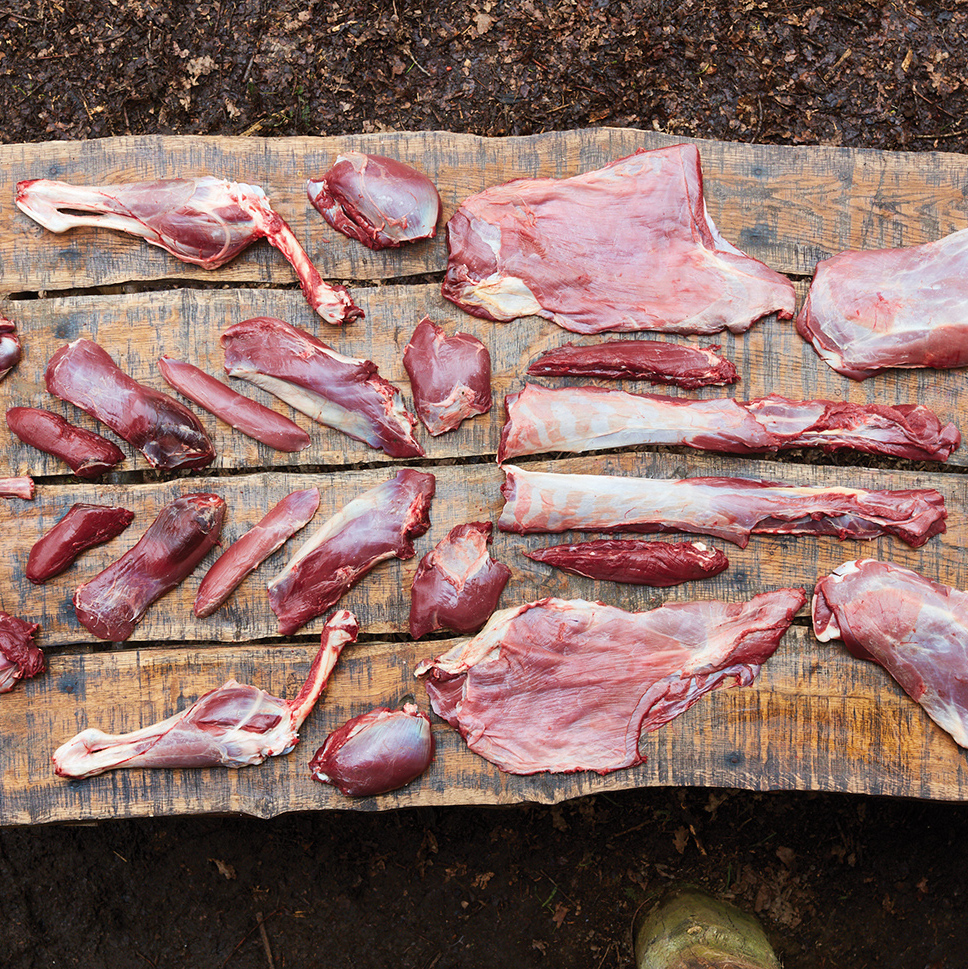
At Hunter Gather Cook, Weston runs a Deer in a Day course. This hands-on butchery and cookery class teaches students the art of carcass breakdown in a way that utilises as much of the animal as possible, along with different live fire cooking techniques with various cuts to showcase the versatility of the meat. The success of the course is proof of a wider shifting attitude towards venison, as Weston says it’s one of Hunter Gather Cook’s most popular offerings and often sells out quickly.
“The way we do it is very much from the hunter’s perspective. We’re showing people how to break the deer down as we would for our own freezers to cook at home, not how a butcher would do it, where the focus is extracting maximum value from the carcass.”
We speak over the phone on the last day of fallow deer season. Weston’s knowledge and deep respect for the animal shows as he explains the differences between each of the species in the UK, along with their breeding seasons.
Of the six species found in the wild in Britain, only two are native: red and roe, while sika, fallow, Chinese water deer and muntjac – “the terriers of the deer world,” as Weston describes them – have all been introduced.
“We absolutely need to be eating more venison. No deer stalking in the UK is about trophy hunting – you’re managing a population.”
The proliferation of non-native species in the UK has contributed to overall deer numbers that are increasingly difficult to manage, as they spread across woodland, farmland, and onto the fringes of towns and cities. Without deer management, there would be widespread damage to woodland and crops, as well as the potential for increased health risks and the malnourishment of entire herds from limited resources to support growing numbers.
Fortunately, there are companies that have spotted the benefits of promoting venison consumption, and are working to bring it back into the food chain. Lean & Wild, a company specialising in sustainably harvested wild venison, has partnered with specialist military food service provider ESS Defence to bring venison sourced from MOD land onto its menus.
Venison has replaced beef in classic dishes such as lasagne and chilli con carne alongside new additions including venison smash burgers and venison burritos, demonstrating how adaptable the meat can be in day-to-day cooking.
Aside from its flavour and versatility, venison is an incredibly lean and nutrient-dense source of protein. According to Lean & Wild, a 100g serving of wild venison delivers around 26.5 grams of protein for just 107 calories. While much of contemporary food culture is dominated by conversations around ultra-processed foods, gut health, the rise in weight loss drugs like Ozempic, the nutritional makeup of venison feels particularly relevant.
“Venison is having a real moment right now,” says Brett Graham, three Michelin-starred chef and owner of The Ledbury in London’s Notting Hill. Graham’s regenerative food and farming project, Capability Graham, is another business helping to reshape the way venison moves through the British food system.
The project approaches everything through an environmental angle and works with farms and estates to source deer from the land and wild, supplying high-quality venison to restaurants including Bonheur, Restaurant Gordon Ramsay and Noble Rot, as well as caterers and large-scale hospitality operations including Allianz Stadium at Twickenham.
“It’s really good to see big catering companies that have got behind venison,” says Graham. “It’s one thing selling a rack of venison or two into a restaurant, but then being able to sell 400 or 500 burgers into a football stadium helps balance out the carcass.”
Alongside venison, the business also produces rapeseed oil without the use of glyphosate and rears Iberian pigs on a soy-free diet, fed from the byproducts of the oil production itself.
But for all the discussion around provenance, sustainability and nutrition, venison is also exceptionally good when cooked with fire. “For us, everything is about flavour,” says Weston, who tells me how he likes to present game in many different ways beyond traditional English cuisine at Hunter Gather Cook.
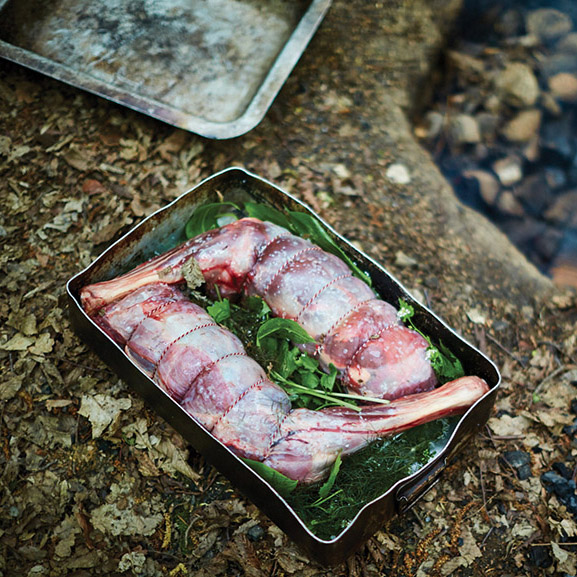
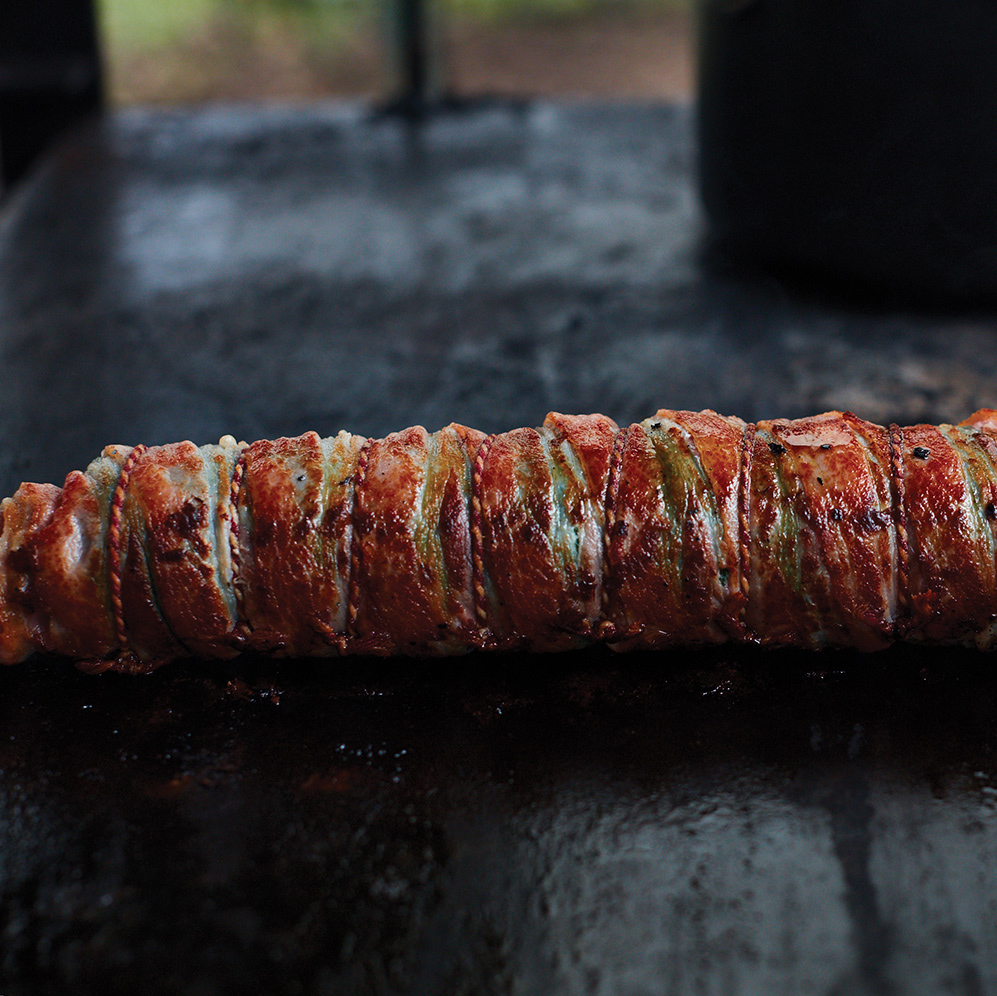
Different cuts are cooked according to their texture: neck and shoulder are slow cooked into birria for tacos, while venison fillets are sometimes plaited and dirty cooked on the hot coals. Hearts are broken down for anticuchos, a Peruvian-style dish where skewered strips are flash-cooked over flame, while leftover cuts are cured and handed to students as homework to make ‘jiltong’ – a hybrid between jerky and biltong.
When it comes to dealing with the low-fat content in venison, Graham suggests rubbing some spices and some high-quality balsamic vinegar into the meat and letting it marinade for a while before putting it on the barbecue. “The sugars in the balsamic caramelise and almost burn a little, which gives it a really nice deep flavour,” he says.
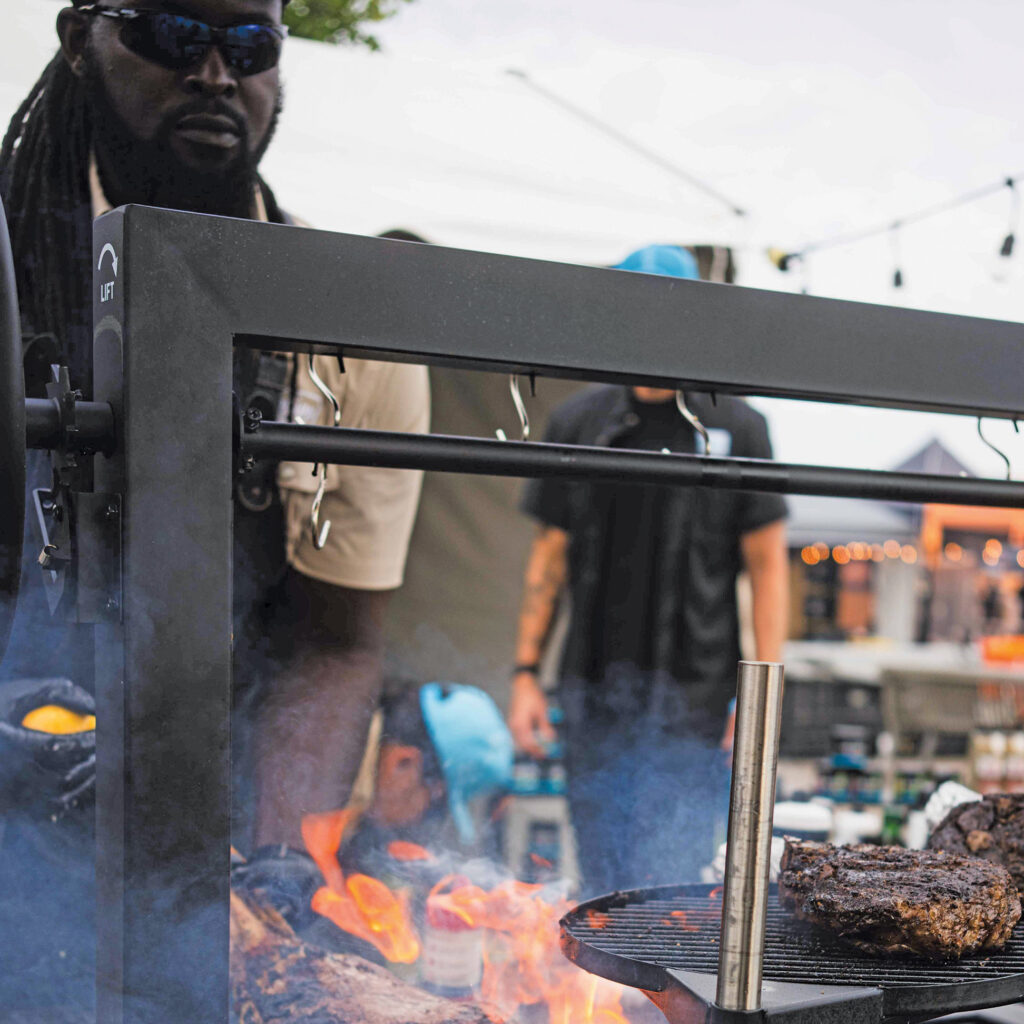
Venison’s growing popularity is also beginning to show itself through a new wave of events and collaborations. In May, woodland dining experience WYLD, near Milton Keynes in Buckinghamshire, hosted its first Deer & Beer event with chef Nico Baker, celebrating locally sourced venison cooked over fire in a street food-style setup.
Baker believes that to move forward sustainably, we need to be eating more venison instead of always opting for beef or chicken. “My ideal BBQ dish would have to be a venison steak with chimichurri or salsa verde,” he says, favouring fresh, vibrant flavours and simple, seasonal ingredients.
The relationship between deer and live fire cooking is one that’s been around since long before the existence of modern barbecues, so fire feels like a natural fit for a meat so deeply tied to the history and landscape of this country.
Balancing sustainability, animal welfare and health can often feel like a minefield, but instead of aiming to be perfect consumers, perhaps by returning to those more primal roots and putting more venison on our barbecues, we can take small steps towards eating in a way that is more flavourful, more thoughtful and more nutritional.