Pit Talk with Rasheed Philips
In his first column for BBQ magazine, RASHEED PHILIPS watches two leading US fire chefs cooking up fresh content to both entertain and educate
The first thing Smoke Out does is skip the part most food television can’t stop doing. No sweeping drone shot of a manicured ranch. No voiceover promising ‘the ultimate showdown’. No neon graphics.
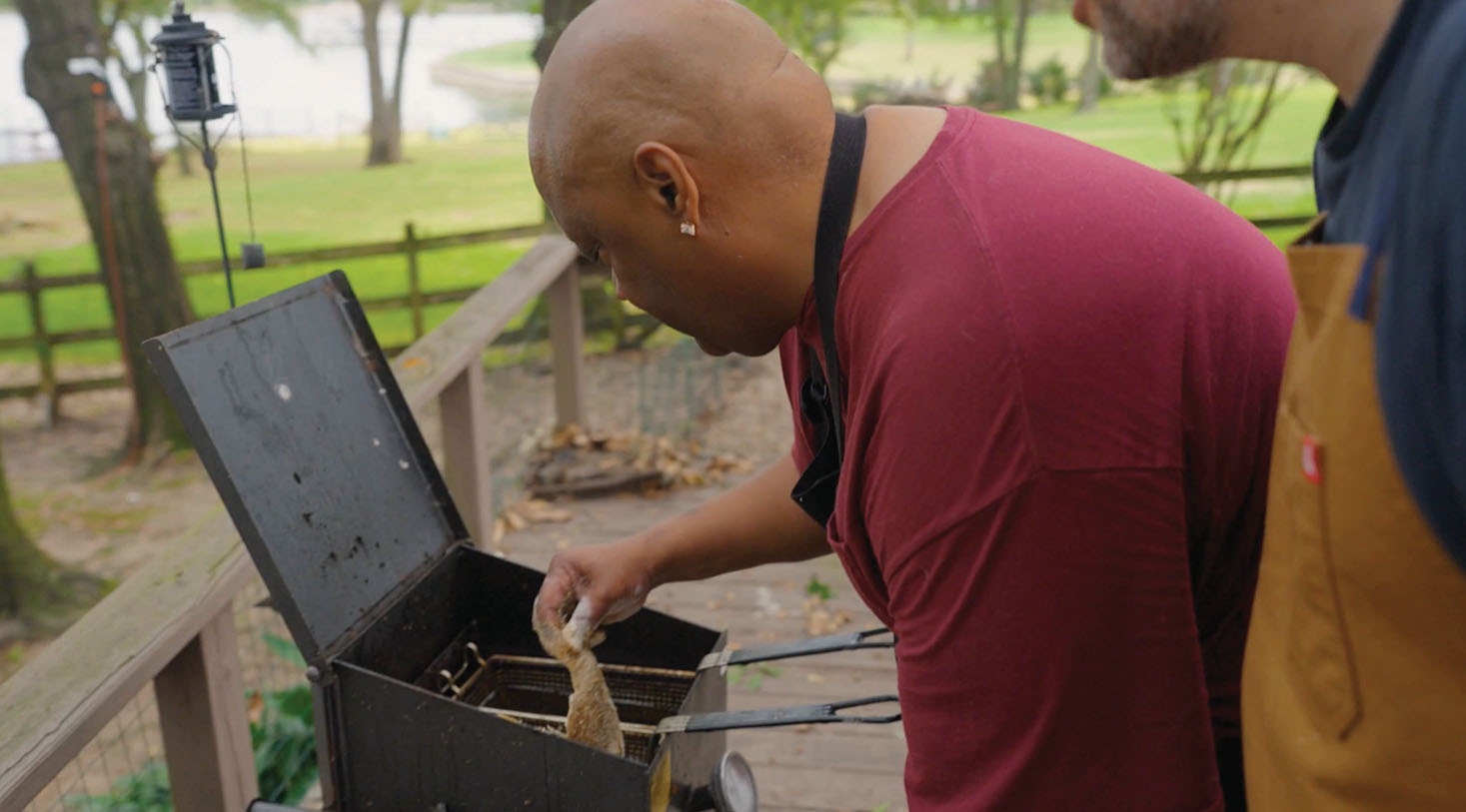
Episode one of this US TV food show opens like you just walked through a side gate and caught two friends already mid-cook, smoke in the air, fire already established, the good stuff underway.
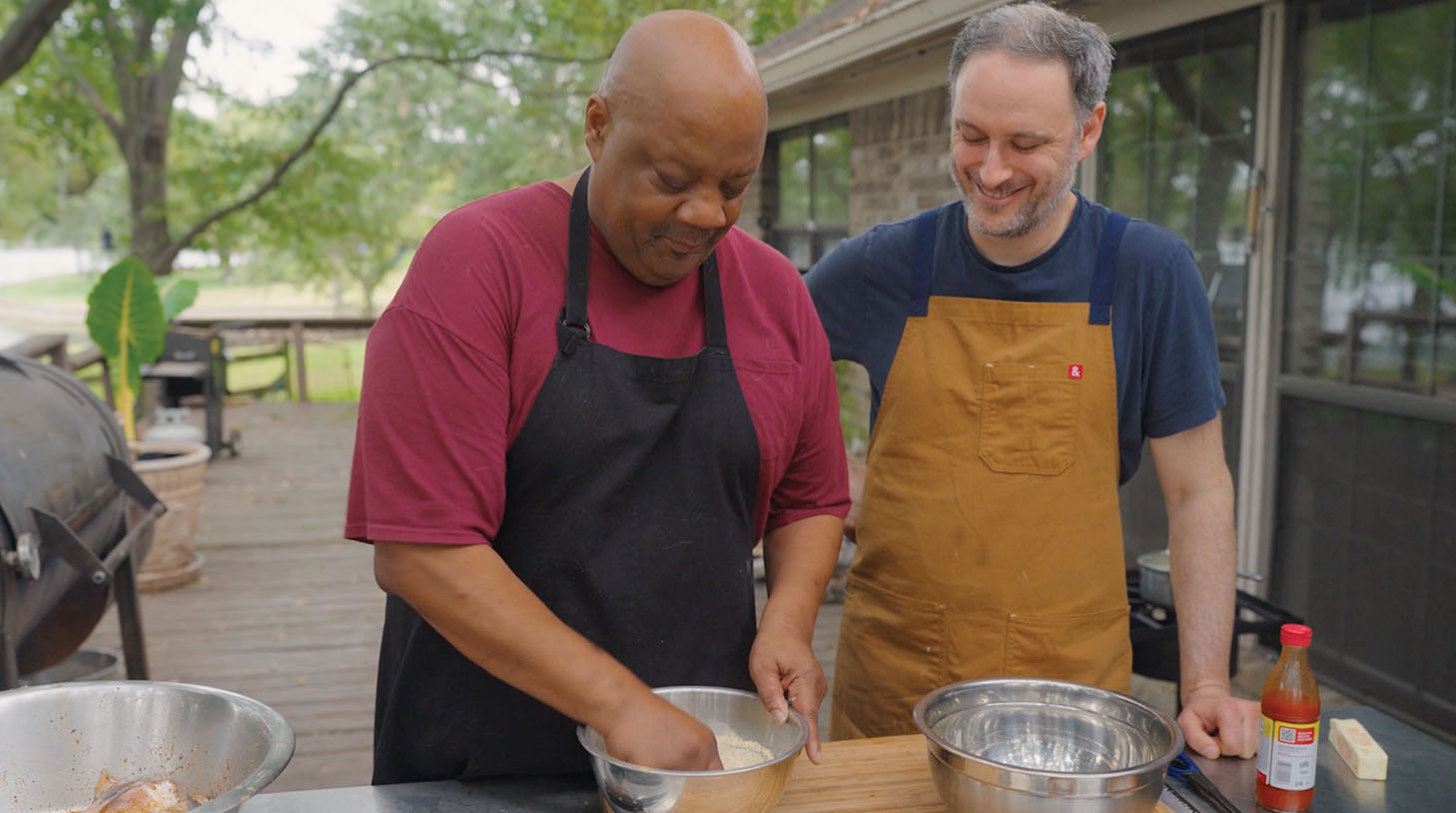
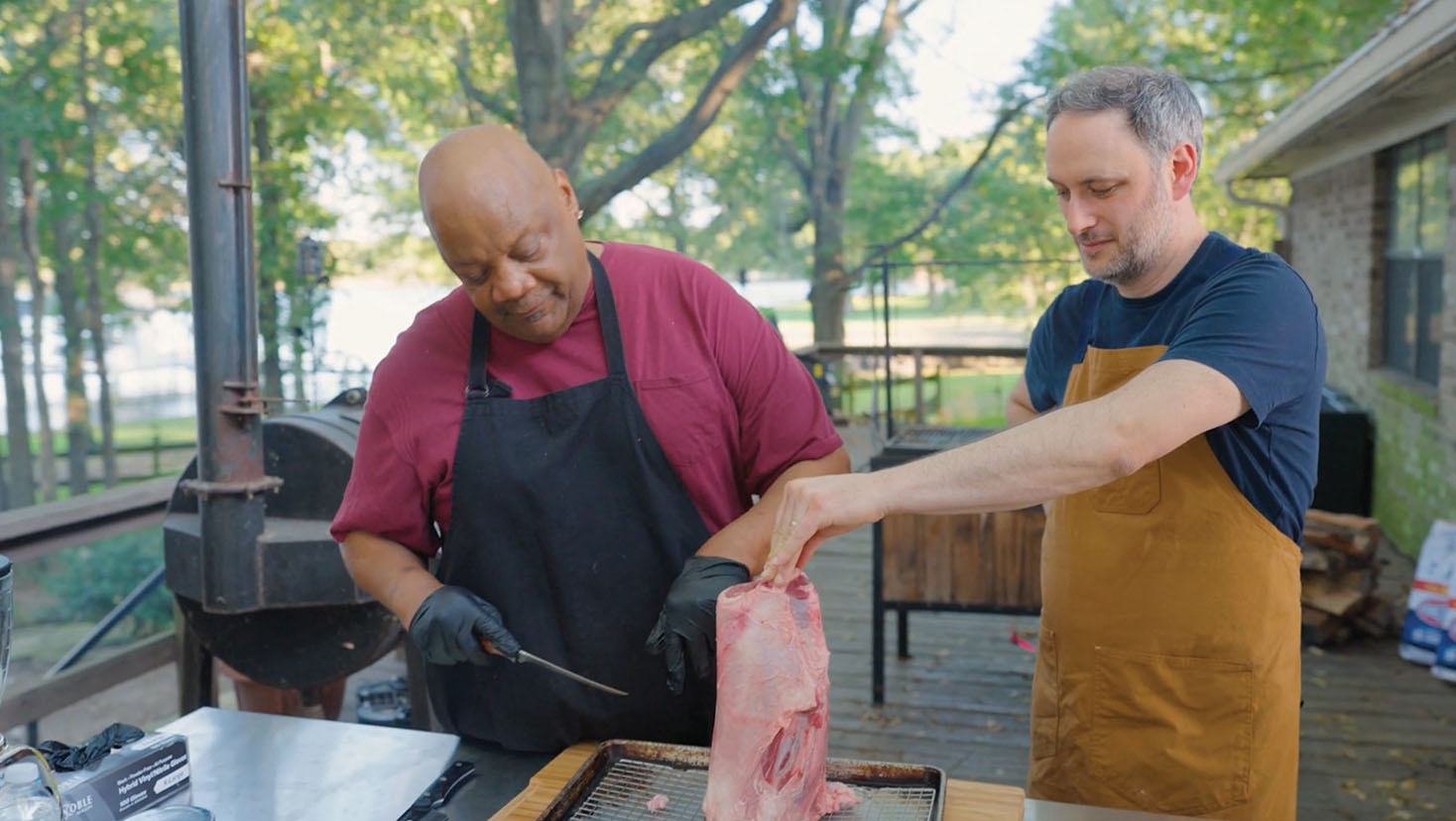
Within moments, Kevin Bludso is putting a Thor’s hammer on a beef shank with enough heft to make a brisket feel polite on display, as if to say: this is the show. Big cuts, real fire, and the kind of food you actually want to eat.
That choice is not accidental. Noah Galuten, who grew up watching PBS cooking shows, is blunt about what he misses in modern food content: the educational core. “It would be incredible if people like this show enough that we get to be another voice… to really be educational and help encourage home cooking,” he says. But he also knows the trap. “You can’t just be education. It’s got to be fun.”
Bludso agrees, describing the response he’s gotten as a “breath of fresh air” – still teaching, but delivered like a hang with your buddies rather than a lecture from a stainless-steel cathedral pulpit.
That ‘hang’ is the point, and it’s also the quiet flex. Smoke Out isn’t trying to out-budget Food Network. It’s trying to out-feel it. The lighting doesn’t scream studio. The camera doesn’t worship the host like a monument. The show moves with a hand-held closeness that makes the audience feel like the third friend standing just off to the side, catching the jokes, hearing the small instructions, watching the little moments that rarely survive the cutting-room floor.
When things go slightly sideways, when a burger doesn’t want to stay together, when the fire fights the wind, those blemishes aren’t sanded down. They’re part of the charm, proof that this isn’t a staged perfect cook; it’s barbecue: messy, improvisational, human.
You can’t fake rapport on camera for long. You can edit around it, you can script banter, you can add perky music and quick cuts, but, sooner or later, viewers can tell when people are performing friendship instead of living in it. Bludso and Galuten don’t have that problem. They’ve got history long enough that they argue about the math.
Galuten traces it back to interviewing Bludso for LA Weekly, a story that put the two in orbit back in 2011, when their paths welded into something permanent.
That summer, Galuten and his business partner James Starr flew out to Corsicana, Texas, for Bludso’s grandmother’s 90th birthday party, a scene that still sounds like the beginning of a barbecue folktale.
“A couple of white guys showed up at the Martin Luther King Community Center in Corsicana,” Galuten recalls. Bludso jokes that the ‘record scratched’ when they walked in.
By 4am, Galuten was drinking corn liquor and singing Sam Cooke with old ladies. A few months later, he was in Compton at 3am, peeling potatoes, cleaning collard greens, and learning Bludso’s food from the inside out. That’s not a TV friendship; that’s time served.
When the Hollywood location eventually came together, Galuten expected to manage. Bludso had a different plan: “You’re the only person I trust with my food now… you’re going to be the chef.” That kind of trust doesn’t show up on a call sheet. You earn it in the quiet hours when the knives are dulling, and the prep list isn’t getting shorter.
So when Smoke Out arrives and feels effortless, it’s because the hard part happened years ago. The ease is built on a foundation of work, shared experiences, and the kind of mutual respect that can handle disagreement without turning it into drama.
Asked what makes the friendship work on camera, Bludso answers immediately: respect. “When you got real love and respect for somebody,” he says, “you ain’t ever got to worry about no lines being crossed.” The way he describes it sounds like family arguments without grudges, honesty without cruelty, affection without performance.
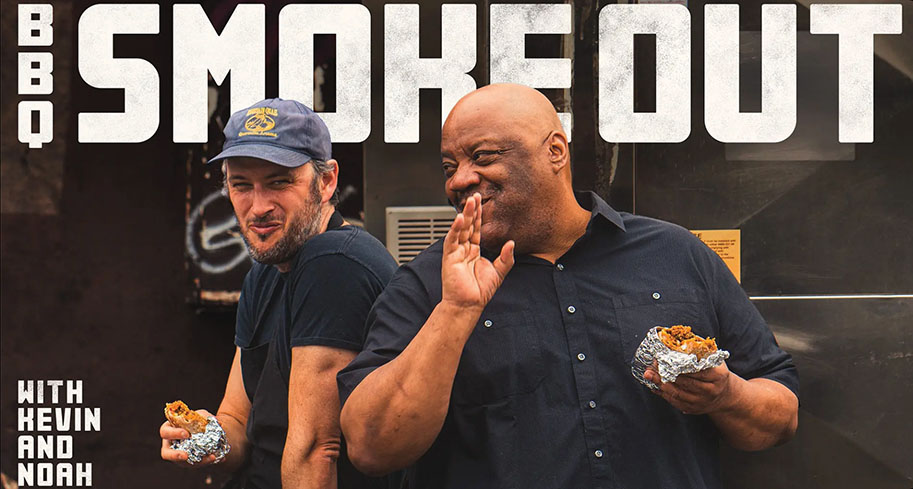
Galuten describes their dynamic as big brother/little brother, but with a catch: you still have to hold your own. “You got to bring something to the table,” he says. That push-and-pull is the show’s engine. Bludso is the king of low and slow. Galuten cooks with a different rhythm, more vegetables, more detours, more ‘what if we tried it this way?’
The friction is friendly, and it makes the food better because it forces each of them to explain why they do what they do. That’s the educational part sneaking in under the laughter.
Episode one’s Thor’s hammer is an opening statement. Galuten explains the thinking in terms of modern viewer habits, shorter attention spans, more distractions, and people watching while scrolling.
You have to “grab them right up front,” he says, “and show them what they’re getting.” So they do: a dramatic cut, a real cook, an immediate hook. Bludso adds another layer: even though beef shank is just beef shank, it still feels new to many people. Put it in the first episode, and you set the tone early. This is not a show where the big reveal is teased until minute 19. “Let’s hit them,” he says, “just in case this is the first time they see it.”
That philosophy of food first is part of what makes the show feel like it belongs to barbecue culture rather than TV culture. Barbecue doesn’t need a soundtrack to be compelling. It needs a fire, a plan, and someone who can tell you what matters.
Bludso and Galuten do that in a language that’s direct and conversational. They don’t talk down to the audience. They don’t float above the cook like referees. They’re in it, dealing with the same variables every backyard cook deals with: weather, time, hunger, and the temptation to overthink.
Galuten points out a truth that most glossy barbecue TV avoids: if you’re cooking a brisket all day, you’re going to eat before it’s done. “You got to eat something,” he says. That’s where the show’s structure gets smart. Yes, there’s a showstopper, Thor’s hammer, brisket, turkey legs, but the in-between food matters too. It’s how real cooks get through real cooks. It’s also where the ‘hang’ lives: the snacks, the cocktails, the teasing, the casual knowledge passed from one person to another without turning into a sermon.
Barbecue is never just a recipe. It’s a negotiation with heat, airflow, fuel, and patience. Smoke Out doesn’t hide that. When asked about the most stressful cook of the season, Galuten immediately returns to the conditions: crazy wind that made maintaining temperature difficult.
Bludso remembers the added insult of rain that left his wood wet. That’s the kind of detail that barbecue people hear and immediately nod at. Wet wood, high wind, and a long cook are a combination that turns ‘schedule’ into ‘hope’.
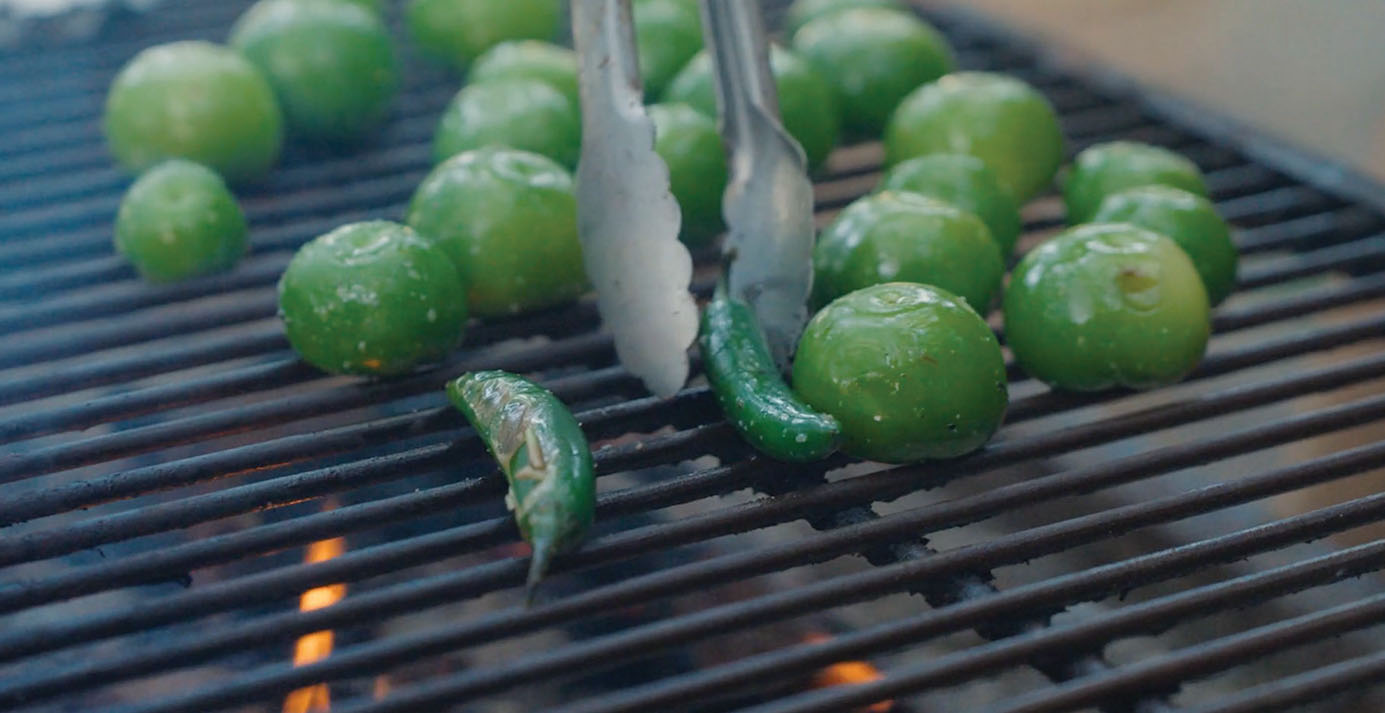
That brisket day ran late enough to end in a night shoot. And, even then, Bludso shrugs off the word stressful. Tiring, sure. But stressful? Not really. The closer they get to describing the headaches, the more the conversation turns into laughter, especially when they talk about burgers falling apart.
Bludso jokes about binders and draws a line in the sand: “I ain’t making no goddamn meatloaf burger.” It’s funny, but it also reveals the show’s ethos. Don’t chase perfection at the expense of the thing you’re actually trying to make.
Bludso loves that the editors left the errors in. “That connects with the audience. Show that, hey, we mess up, too.”
In the era of aggressively polished cooking content, leaving the seams visible is a radical act. It tells the viewer you’re allowed to try this. You’re allowed to fail. You’re allowed to laugh and keep cooking anyway.
The location isn’t just scenery, it’s part of the argument. Bludso says it plainly: they didn’t have big money, and Corsicana is beautiful. Why pay to rent a vibe when you’ve got one in your backyard?
The result is a show where the environment feels like another character. Bludso talks about how lucky they were that the landscape stayed green late into the year. Viewers even asked if they filmed in summer because the background looked so lush.
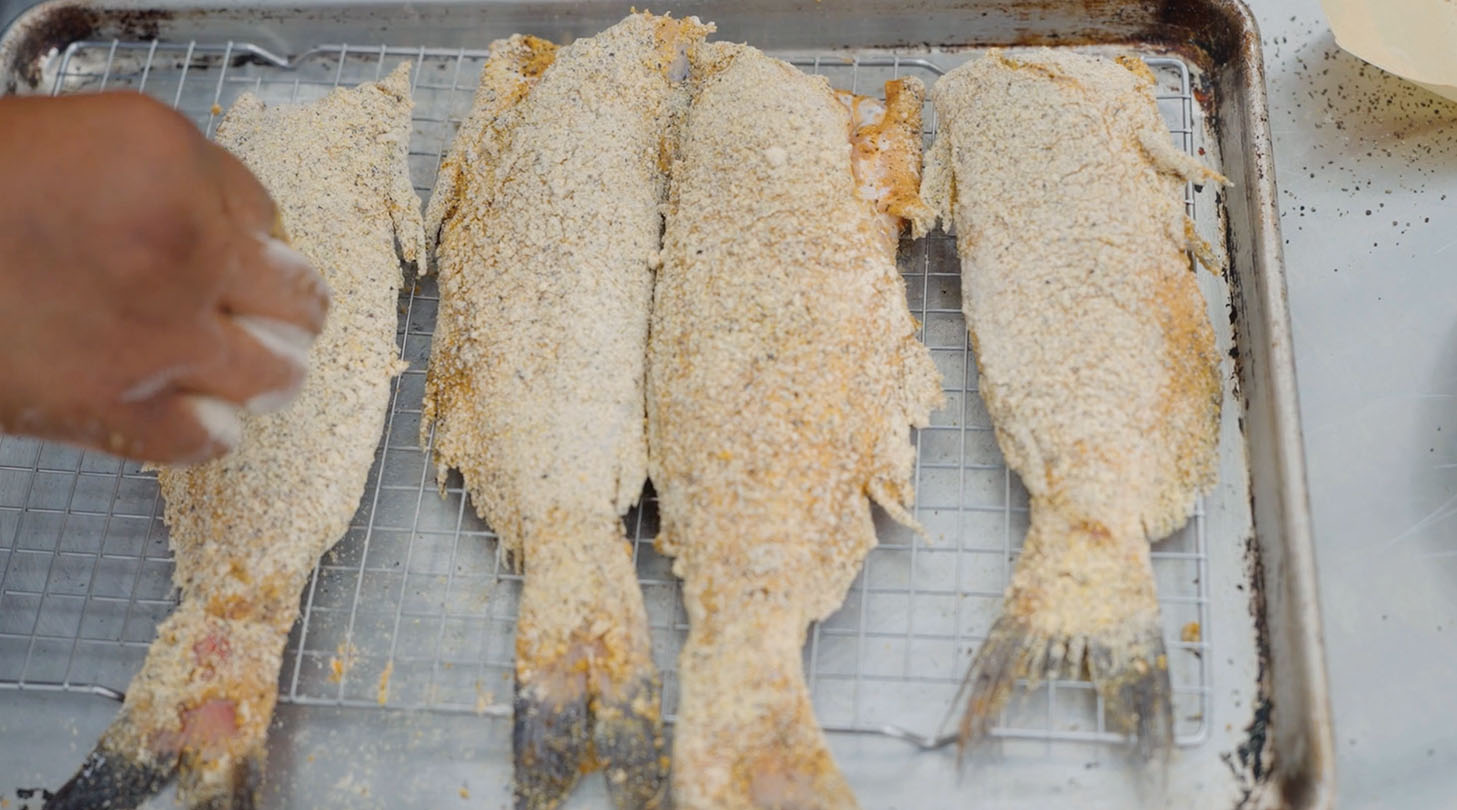
More importantly, he believes barbecue belongs outside. “I don’t know how you can show barbecue inside.” You can do sides indoors, sure, but the soul of it – the smoke, the fire, the air – doesn’t translate under studio lighting.
The outdoor setting also supports what might be the show’s biggest mission: a mental escape.
Bludso acknowledges the reality: not everyone has a backyard. Some people can only cook on a balcony. Some can’t cook outside at all. But the show can still offer that feeling of the mind travelling to the country or the beach where cooking becomes a small vacation.
Galuten adds his own version of that idea, pointing to the way people watched Anthony Bourdain as a form of travel when they couldn’t afford plane tickets. A cooking show can function the same way: a window into comfort.
Then Galuten gets personal about Corsicana in a way that explains why the show feels warm. During the early days of covid, when nobody knew what was safe, he drove from Los Angeles to Texas to work with Bludso on their book.
The travel itself was miserable: masking, takeout containers, and hotel room meals eaten on the floor. But getting to Corsicana, hugging Bludso, and expanding his bubble beyond just his wife and dog felt like relief. That comfort is baked into the show. It’s not a rented cabin; it’s a place that means something.
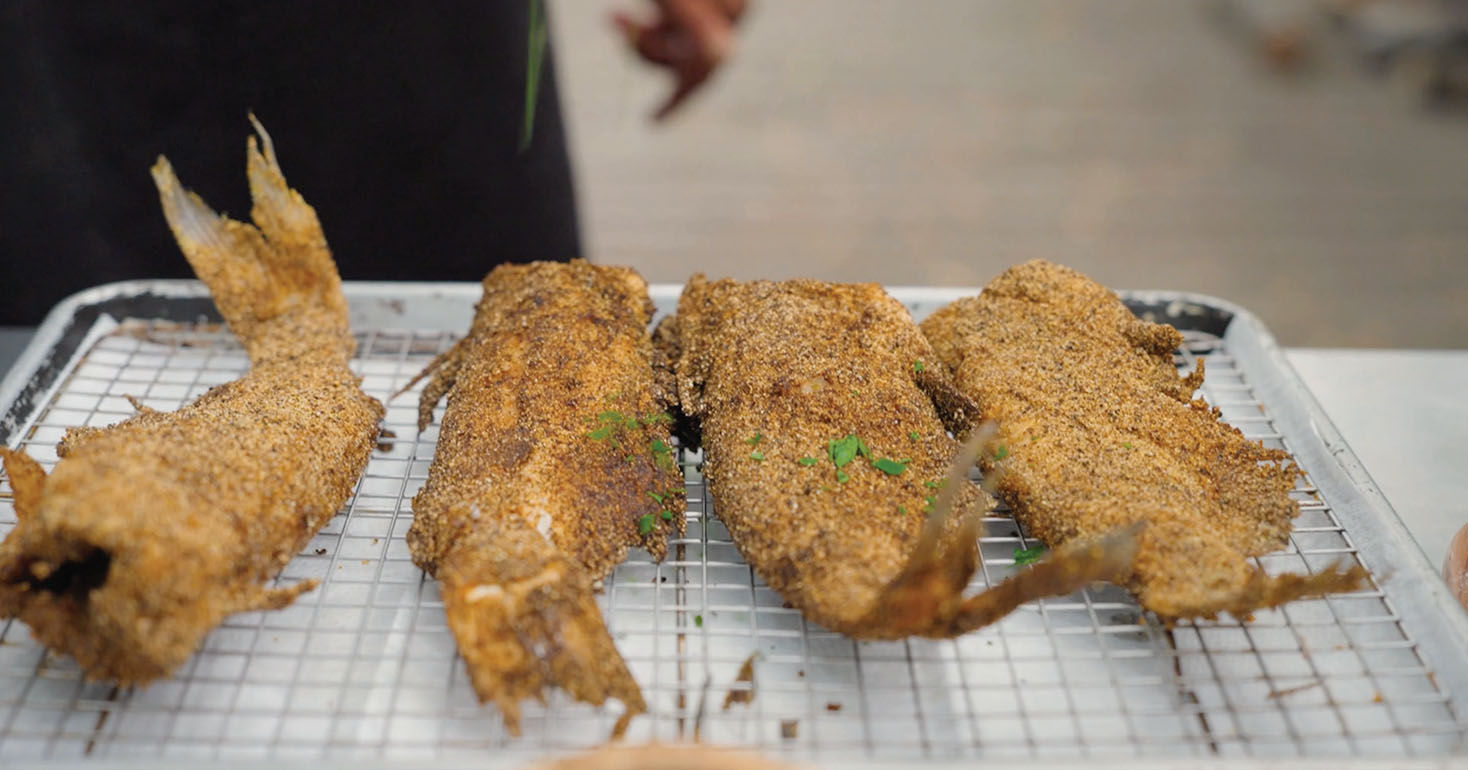
When asked what Smoke Out contributes to barbecue culture, especially in a landscape dominated by competition shows, Bludso points to something simple: identification.
“Everybody can identify what we’re doing.” Most people don’t barbecue alone. Barbecue is friends and family. It’s jokes and stories, and somebody always getting up to grab something while someone else minds the fire.
That’s what Smoke Out captures: the way barbecue actually lives in the world.
It even keeps a little edge. The show producers, Tastemade, reportedly got a few complaints about mild profanity, but the note was essentially: don’t change a thing. Because the show isn’t vulgar, it’s just honest. If you’ve ever cooked with friends long enough for the cooler to get lighter, you’ve heard worse language than what slips out when someone drops tongs or burns a knuckle.
At the end of the day, Smoke Out isn’t trying to crown a champion. It’s trying to make you want to cook. Or, if you can’t cook, it’s trying to give you a small, steady pleasure: two friends, real food, open air, and the sense that the world can be simple for half an hour.
If that sounds like what you’ve been missing, you can watch Smoke Out on Tastemade and if you’re the kind of cook who likes to keep the inspiration coming, keep an eye out for Noah Galuten’s new book, Grill Time!, coming soon.
Galuten calls it the way he cooks for family and friends – weeknight meals through weekend projects, and if Smoke Out is any indication, it’ll land in that same sweet spot: practical, generous, and built for real life around real fire.